
German supplier, Velox GmbH introduces new line of purging compounds
New tabletop injection molding machine on the market
Weekly Resin Report: PE price increase rumored for February
A new documentary movie about the invention of Bakelite plastic

If you did not watch Mythbusters religiously as I did, give the short video above a watch. It is an excellent demonstration of how a normally non-flammable material can become extremely combustible if the circumstances are right.


Boxing in heals?
Although nylon 6/6 is much more commonly used than polyester (PBT) for injection molding applications, you might be surprised that these materials are relatively similar in properties.
There are, however, a few differences that might make one or the other better for a particular application.
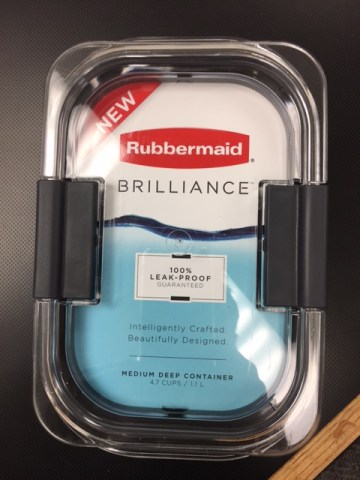
I was walking through a local store the other day when I came across a new line of Rubbermaid food storage containers that intrigued me. What caught my eye was the fact that these containers are crystal clear. They can’t be made of polycarbonate, which is a big no-no for food storage containers because of BPA. The recycling code on the container is #7 which is “other”. Polycarbonate would fall under the 7 recycling code also but so would many other materials. What is this material?
I had to buy one to find out.
Continue reading “Is There a Replacement for Polycarbonate for Food Contact?”

A new geological survey performed in Texas has revealed the largest oil discovery in US history. An area that encompasses Lubbock and Midland Texas is now estimated to have 20 billion barrels of oil and 1.6 billion barrels of natural gas according to CNN. This discovery of shale oil is 3 times larger than the discovery in North Dakota that lead to the oil boom there that started in 2006 and ended in 2015.
You might think that this discovery is really good news for the United States. But there is one problem.

Recently, the former front-man of the band The Smiths and well known vegan activist, Morrissey, sent a letter to GM CEO, Mary Barra, suggesting that General Motors offer a vegan interior option in their two electric vehicles, the Chevrolet Volt and Bolt.
This got me to thinking. Are automakers missing out on a market by not offering specific animal product-free vehicle option packages? The only auto company that currently offers a package like this is Tesla. The now defunct soon to be reborn Fiskar used to offer a vegan interior with their “Ecochic” option package in their car which was called the Karma.



 weeklypellet.com