
The last time a major hurricane hit the gulf coast region was Hurricane Katrina in 2005. In the materials business, we watched polypropylene prices increase from the $.40/lb range to the $1.10/lb range in a matter of weeks.
Well, here we go again.

The last time a major hurricane hit the gulf coast region was Hurricane Katrina in 2005. In the materials business, we watched polypropylene prices increase from the $.40/lb range to the $1.10/lb range in a matter of weeks.
Well, here we go again.

New clear copolyester from Mitsubishi receives top fire safety rating
Weekly Resin Report: Sales slump not having noticeable effect on prices
Materials manufacturing braces for hurricane Harvey
July sees PP and PET prices up, PS down
Coventus Polymers is named LG Chemicals distributor in US and Canada

Weekly Resin Report: Producers continue to eye price increase
Teknor Apex to build compounding and R&D facility in Germany
PolyOne keeps expanding into specialty colors and inks
Electronics and medical applications for PTFE keep growing
PET bottle resin prices higher in July
Evonik sees good growth for first half of 2017
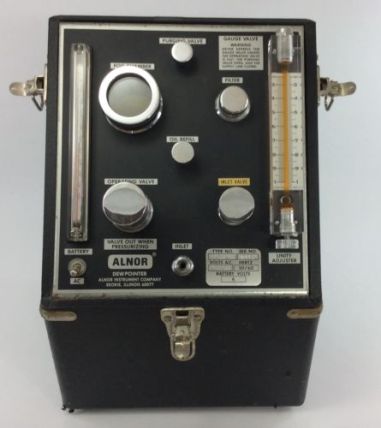
As with so many of the posts here at The Weekly Pellet, I like to try and demystify things. One topic that seems to cause a lot of confusion, unless you are a meteorologist, is humidity and relative humidity and dew points.
Let’s spend a little time talking about these terms.

Ineos Styrolution to expand styrenics capacity in India
Weekly Resin Report: Last-minute surge in spot resin trading turns July from average to exceptional
PP prices up and PS prices down in July
Ovation Polymers looking for a buyer or joint venture partner
Borealis sees record results for first half of 2017

Teknor Apex introduces new line of medical grade TPVs
Mitsui increasing polypropylene capacity
Weekly Resin Report: Copolymer PP resin supply tightening
Formosa declares “force majeure” on some PVC resins
First half of 2017 sees volatile PP market
Commodity resin sales growth not that strong this year
Clariant part of EU investigation into ethylene purchasing
LyondellBasell to supply technology to Chinese petrochemical company
BASF reports 12% sales growth in Q2 2017

Ionomer is one of those strange materials that no one seems to know much about. I wanted to offer a bit of information to demystify ionomers so that you understand what they are and when you should use them.
Toray introduces two new high barrier PET films
Scientists make polycarbonate from chemical extracted from lemons and carbon dioxide
Global Plastics Summit returns to Chicago in October
Weekly Resin Report: Producers nominate $0.03-0.05/lb increase for polypropylene in August

Originally published March 2, 2016
Did you know that Parmesan cheese is trademarked and refers only to cheese produced in a specific region of Italy? It is illegal in Europe to call cheese produced outside 5 specific Italian provinces Parmesan. There has never been any Kobe beef sold in the United States. Kobe is a Japanese trademark and refers to beef specifically from Japan’s Hyogo Prefecture, even though every restaurant in Las Vegas serves it. How about Balsamic Vinegar? Oh, you get the idea.
We have a bad habit of ignoring these food trademarks in the United States although in recent years, the Champagne trademark seems to be respected a bit with all of the products not from Champagne France being called sparkling wine instead.
How about Nylon? A number of chemical companies all around the world call their product Nylon but what is Nylon? Is it a chemical name? No, the chemical name is polyamide. Why is all polyamide referred to as Nylon? Is this another violation of someone’s valuable trademark?
Actually the term nylon is not trademarked even though DuPont did coin the term. It’s an interesting story.


