
Radici Group celebrates 75 years
BASF confirms 3rd death from fire at German plant
Weekly resin report: Spot PE prices could start to slip
Solvay plans facility in Mexico
Material prices higher the year

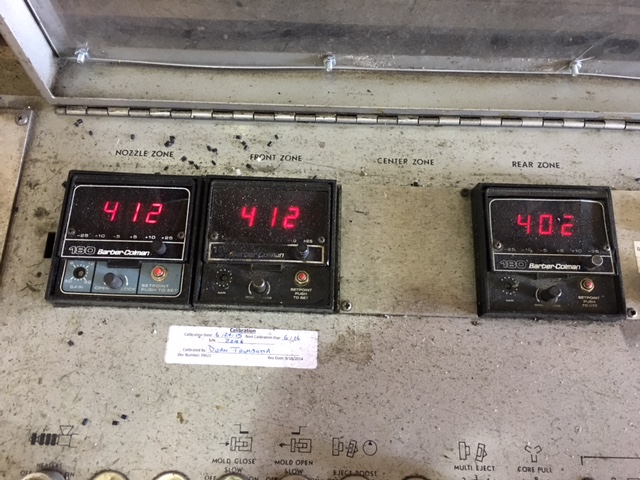
Many material manufacturers and suppliers provide processing guides for the materials that they sell. Often, these data sheets are so general as to almost be useless. However, I see a mistake on a great number of processing guides and I think should be corrected. It relates to the nozzle temperature.

Sumitomo Chemical to expand PP manufacturing in India
Yuk. Teknor Apex makes TPE from recycled chewing gum
New PEEK compounds formulated for the energy industry
Compounder Adell shifts work to other plants following fire at Baltimore plant
Study says that carbon fiber market will reach $28 Billion by 2024

In this post, I want to talk about the proper way to express test results on certificates of analysis. To explain this, I am going to talk about the concept of significant figures (or significant digits). What are significant figures?
According to Wikipedia:
“The significant figures of a number are digits that carry meaning contributing to its measurement resolution.”
Confused? Let me explain.
Study shows that more recycled PET can be used in hot fill bottles
Modern Dispersions incorporates recycled carbon black from tires into new masterbatch
Egypt’s ETHYDCO opens PE plant
“Smart” coffee cup lid changes color if drink is too hot
Weekly Resin Report: Leanest PE supplies in 2 years
Lanxess to acquire additive manufacturer Chemtura

When I first started hearing about the ISO 9000 quality system in the 1990’s there was a lot of resistance to it. A lot companies were unhappy about being pressured or required to adopt the ISO 9000 system by their customers. It was not looked at as being a benefit to their businesses; it was looked at as a giant hoop that you had to jump through in order to be able to get business opportunities from some larger companies. I never agreed with this viewpoint. I saw the benefits of at least some parts of the ISO 9000 standard pretty early on.
Since the 1990’s, the ISO 9000 standard has gone mainstream. Numerous industries have adopted it. No one more vigorously than the auto industry which has their own version which they call TS 16949 (basically ISO 9000 plus some specific auto industry requirements).
However, since then, some cracks have developed that are causing the ISO 9000 system to not only become just a hoop that companies have to jump through, but a series of flaming hoops. Some changes need to be made in order for this system to achieve its goals and actually work for the companies trying to adopt it.
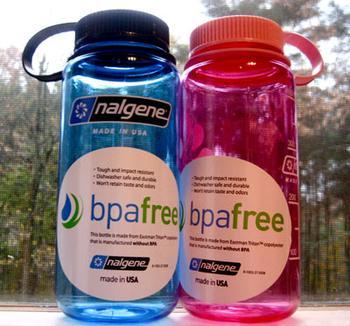
Almost everyone by now has at least some familiarity with BPA in plastic, especially if you have kids. For those of you that are not familiar, here is the media narrative on BPA. BPA is an additive that is used in plastic materials. This additive causes horrible health problems but the evil chemical industry won’t remove it and the FDA must be being bought off by the same evil chemical industry to continue to allow its use. In fact the whole obesity epidemic might be the fault of BPA and thus the evil chemical industry.
Don’t believe that that is the narrative? Check out this Newsweek article.
Now, let’s talk about the reality of BPA.



 weeklypellet.com