The Santoprene Durometer Mystery

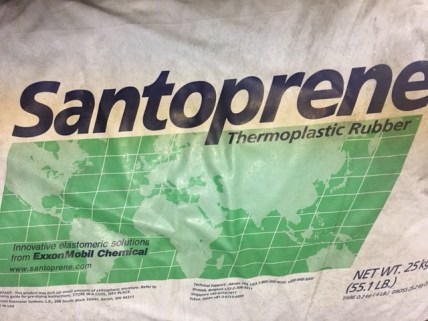
santoprene-bag.jpg

I have always known that the two-digit numbers in the Santoprene grades referred to the durometer hardness of the grades. For instance,  Santoprene 101-55 is a 55 Shore A, 101-73 is a 73 Shore A, 101-87 is an 87 Shore A etc. Sometimes its good to verify the things that you know to be true.

Continue reading “The Santoprene Durometer Mystery”

Glass Transition Temperature and You

www.harrogateironing.co_.uk-Extreme-ironing-underwater-with-Shark

Glass transition temperature is an often discussed but poorly understood property of plastic materials. I want to clear up some of the mystery of glass transition temperature and help you understand how it can be used in picking the right material for an application.

I know what you’re thinking. What does ironing have to do with glass transition temperature? Read on and find out.

Continue reading “Glass Transition Temperature and You”

Understanding Humidity and Dew Point

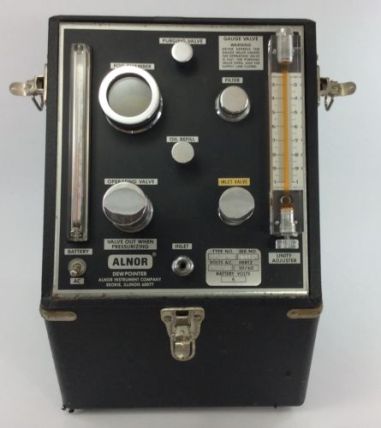
Dew Point Meter

As with so many of the posts here at The Weekly Pellet, I like to try and demystify things. One topic that seems to cause a lot of confusion, unless you are a meteorologist, is humidity and relative humidity and dew points.

Let’s spend a little time talking about these terms.

Continue reading “Understanding Humidity and Dew Point”

Why do we Call it Nylon Anyway?

1939_Nylon_Detail_Vertical_630x846

Originally published March 2, 2016

Did you know that Parmesan cheese is trademarked and refers only to cheese produced in a specific region of Italy? It is illegal in Europe to call cheese produced outside 5 specific Italian provinces Parmesan. There has never been any Kobe beef sold in the United States. Kobe is a Japanese trademark and refers to beef specifically from Japan’s Hyogo Prefecture, even though every restaurant in Las Vegas serves it. How about Balsamic Vinegar? Oh, you get the idea.

We have a bad habit of ignoring these food trademarks in the United States although in recent years, the Champagne trademark seems to be respected a bit with all of the products not from Champagne France being called sparkling wine instead.

How about Nylon? A number of chemical companies all around the world call their product Nylon but what is Nylon? Is it a chemical name? No, the chemical name is polyamide. Why is all polyamide referred to as Nylon? Is this another violation of someone’s valuable trademark?

Actually the term nylon is not trademarked even though DuPont did coin the term. It’s an interesting story.

Continue reading “Why do we Call it Nylon Anyway?”

The Much Maligned Clam Shell Blister Pack

clamshell-packaging-3PL

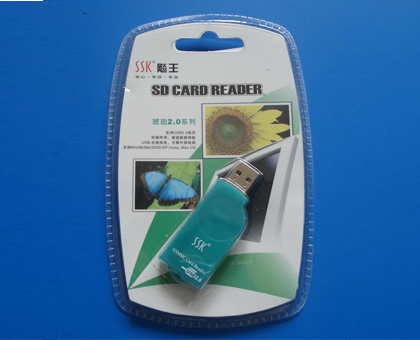
No, not that kind of clam shell. No one has a problem with that. You know what I’m talking about, the clear, impossible to open, nearly sliced your hand off while trying to open it with a butcher knife, packaging that everything from toys to batteries seems to arrive in. This kind:

1263287811Clamshell_Packaging

I’m not going to try to dissuade you from despising this type of packaging. I just want to explain what they are made of and why they are used.

Continue reading “The Much Maligned Clam Shell Blister Pack”

Tensile Strength: Yield or Break

Yield-Right-of-Way

Most of us in the plastic materials industry have some familiarity with the various ASTM and ISO test methods that are reported on data sheets and certificates of analysis. However, if you do a deep dive into any of the test methods, and by deep dive I mean read from stem to stern, you will find all kinds of things that you might not have thought of. Having set up and run an accredited testing laboratory in the past, I performed deep dives into many of the ASTM and ISO procedures.

Today, I want to explore one small part of the ASTM D 638 procedure for tensile properties. Before you say that you would rather drink battery acid, let me assure you that I will not dive too deep and I will leave you with some practical information and you will be able to point out a mistake on a lot of data sheets and certificates of analysis in the future.

Continue reading “Tensile Strength: Yield or Break”